Color Realism Tattoo Artist in Austin
Bobby Cupparo is a color realism tattoo artist in Austin, TX specializing in vivid, high-saturation custom tattoos. Over 13 years of experience, thousands of completed pieces, clients from 30+ states. Every piece is built with layered color, clean contrast, and long-term readability as the foundation.
Start Your ProjectWhat Is Color Realism Tattooing
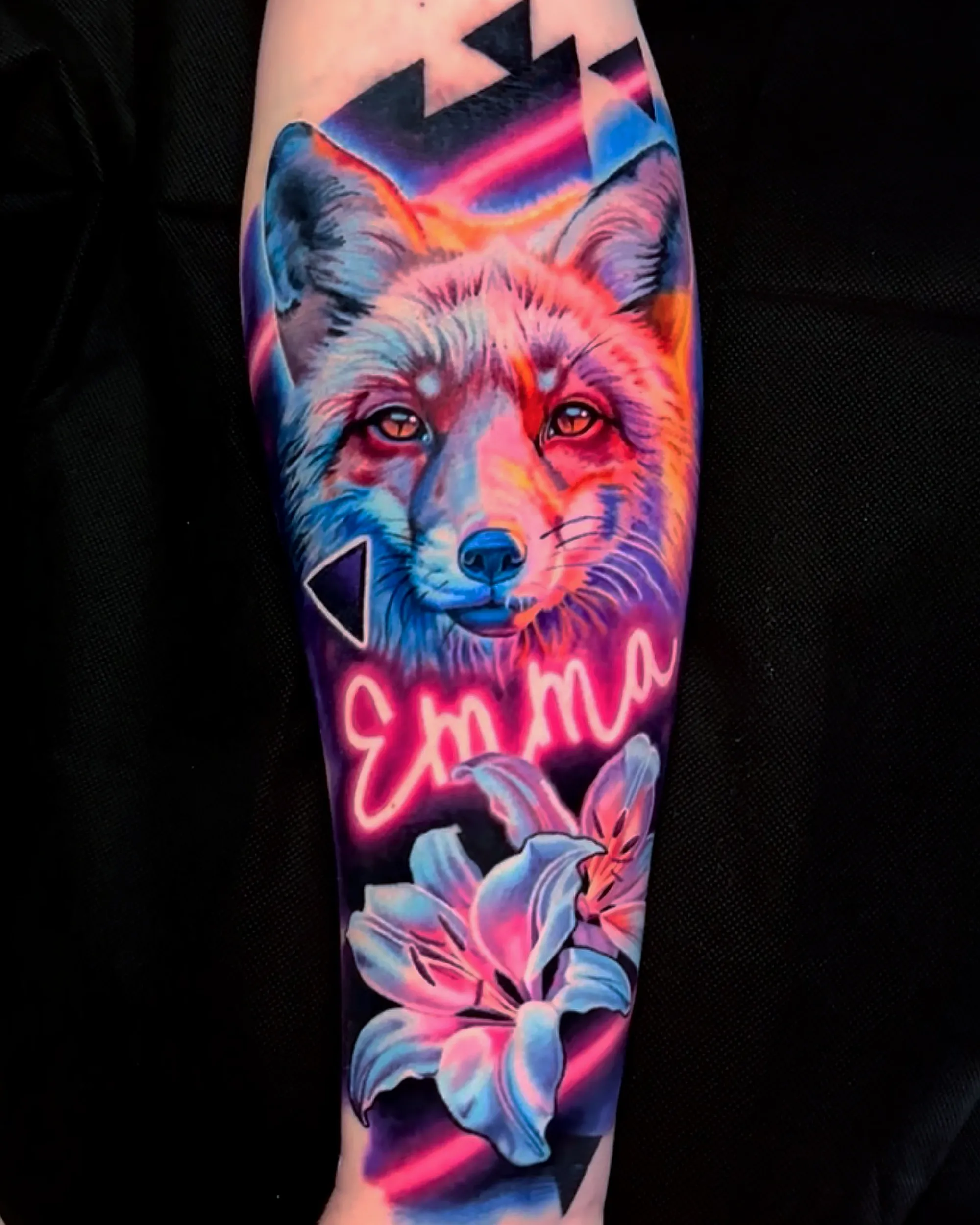
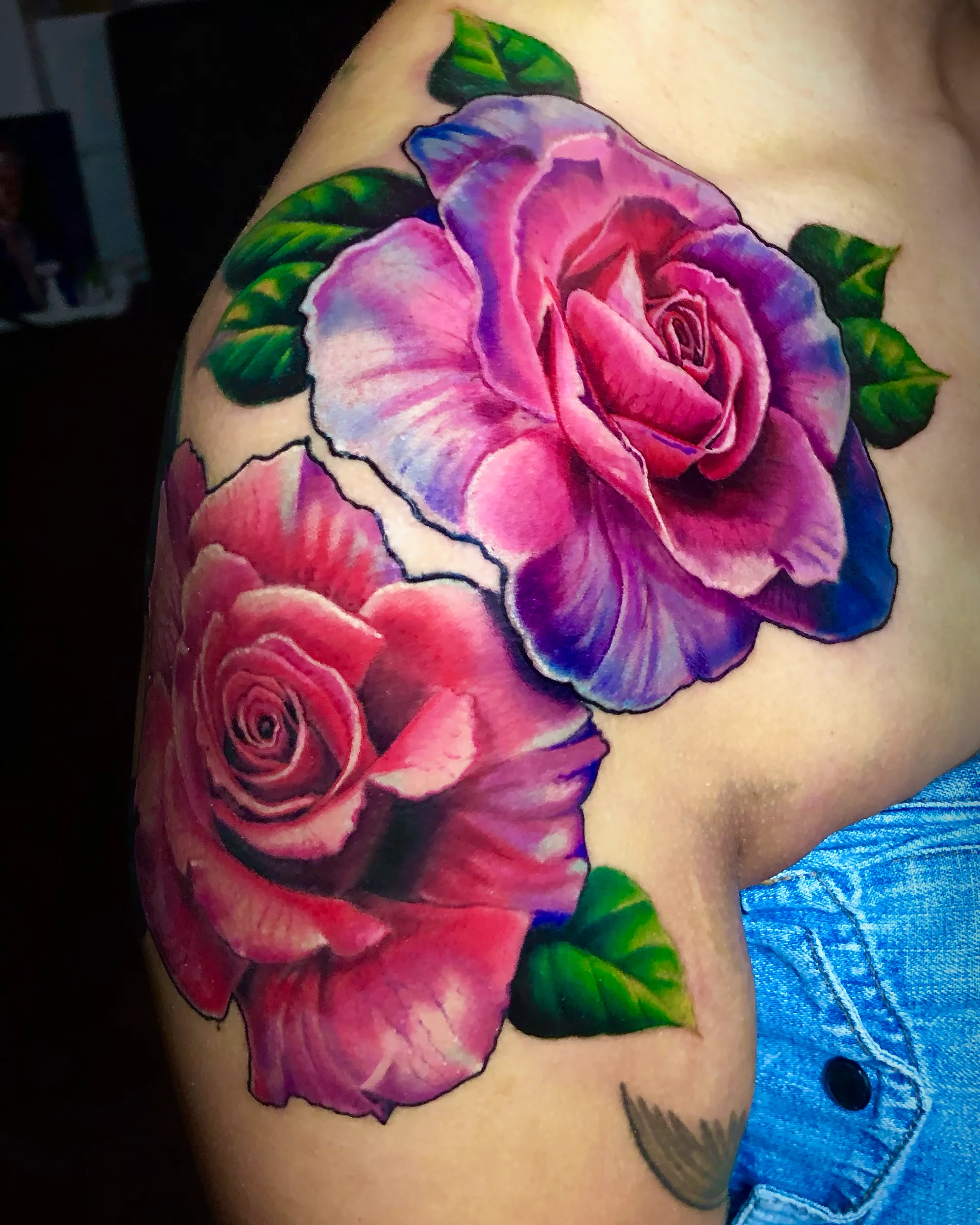
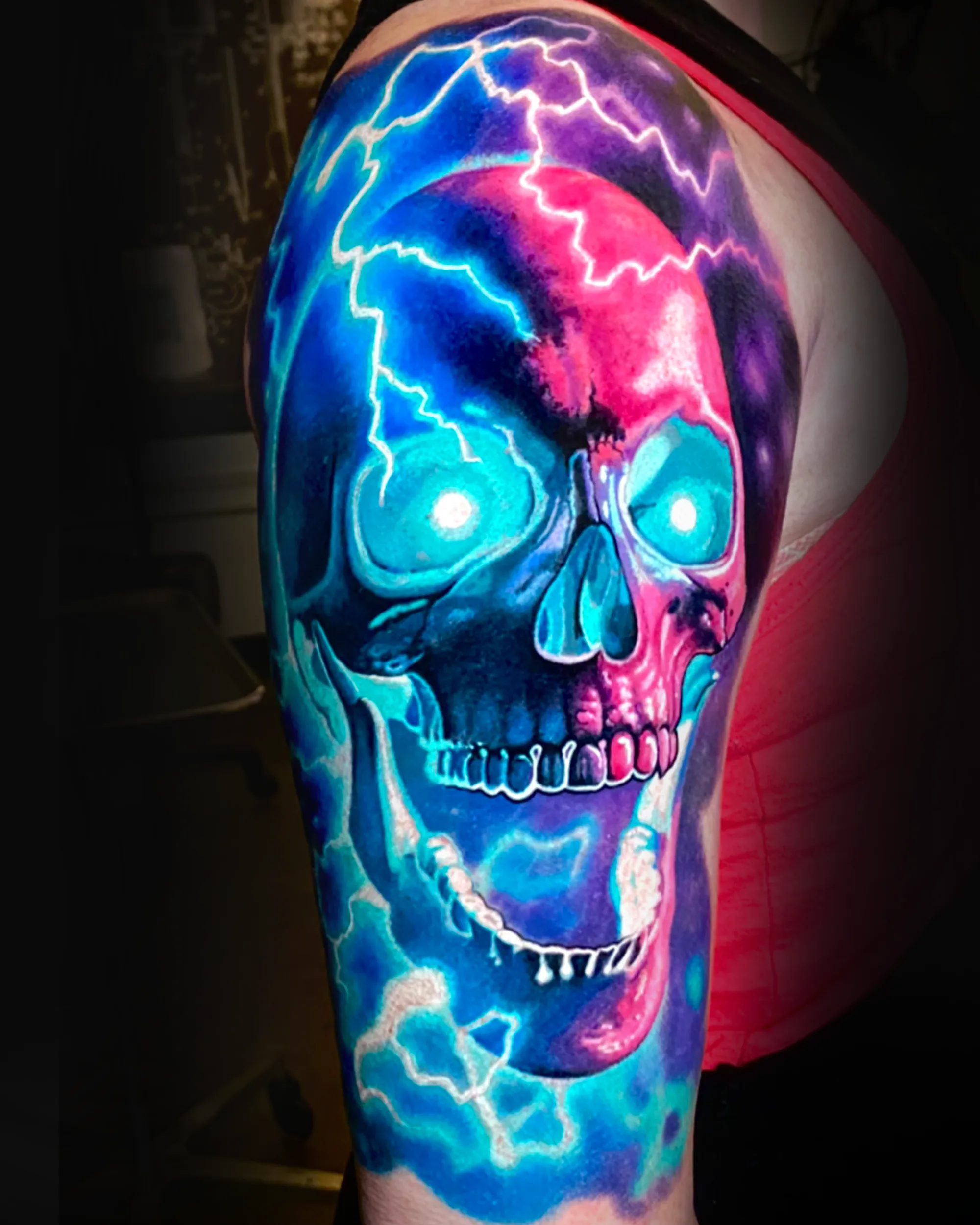
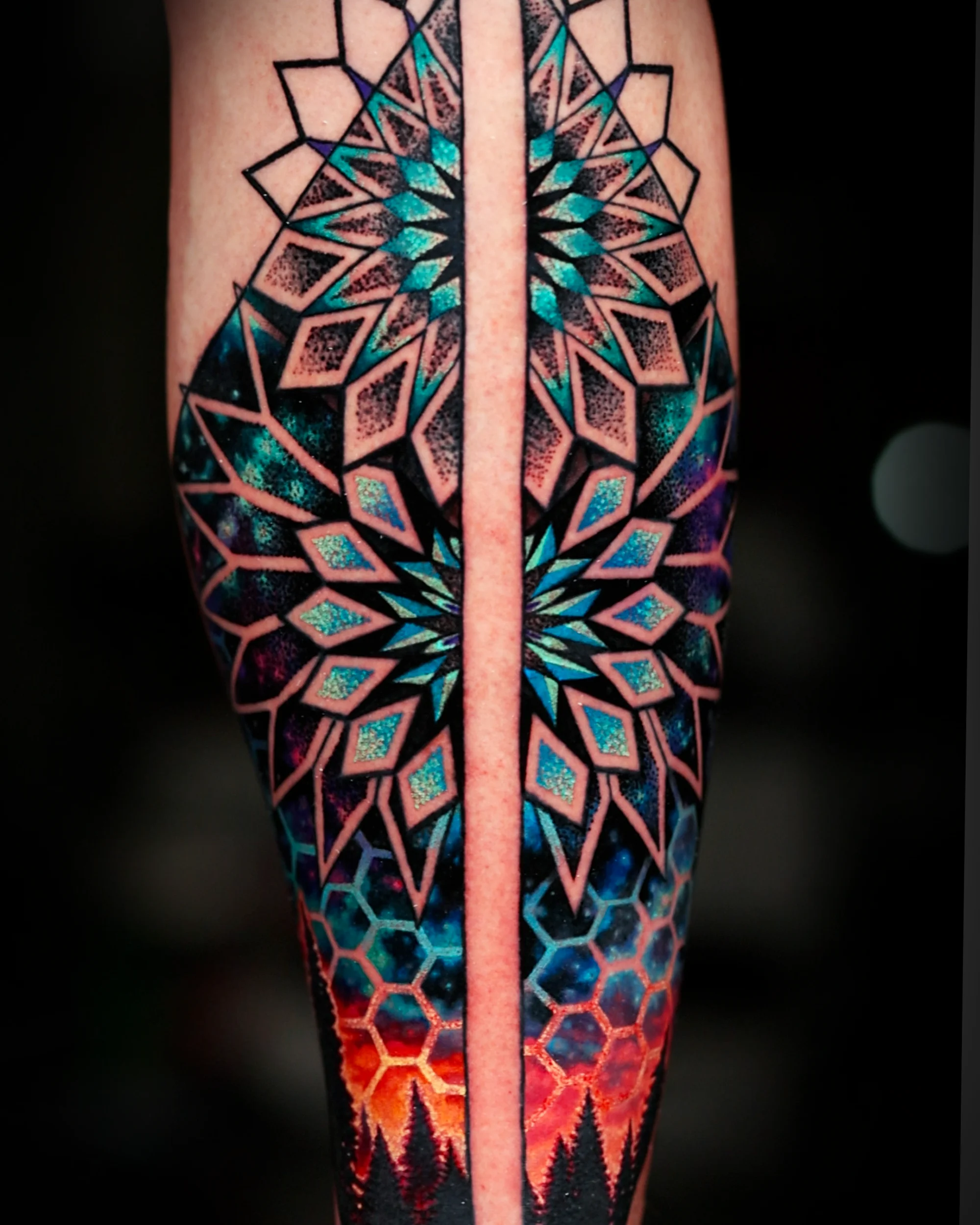
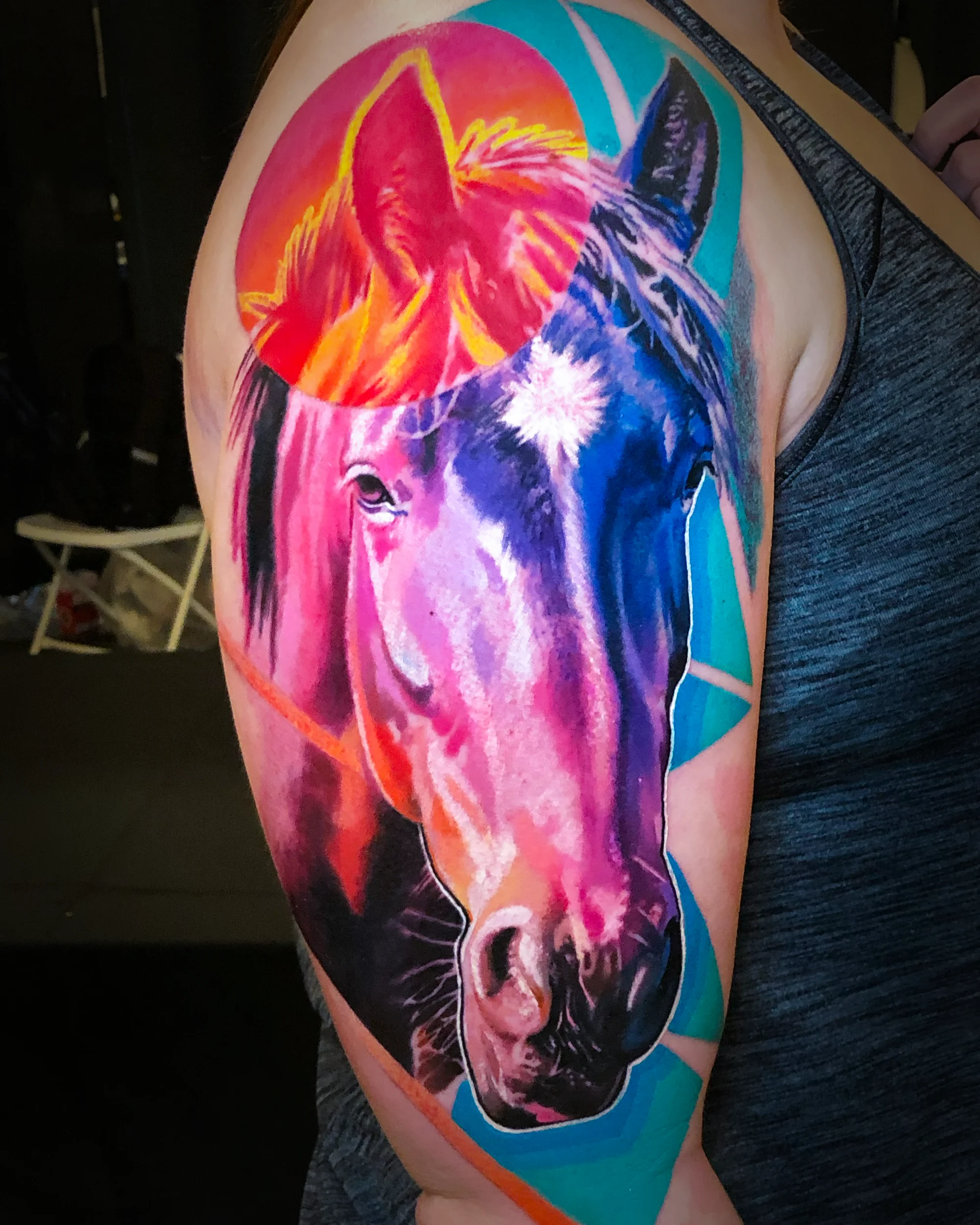
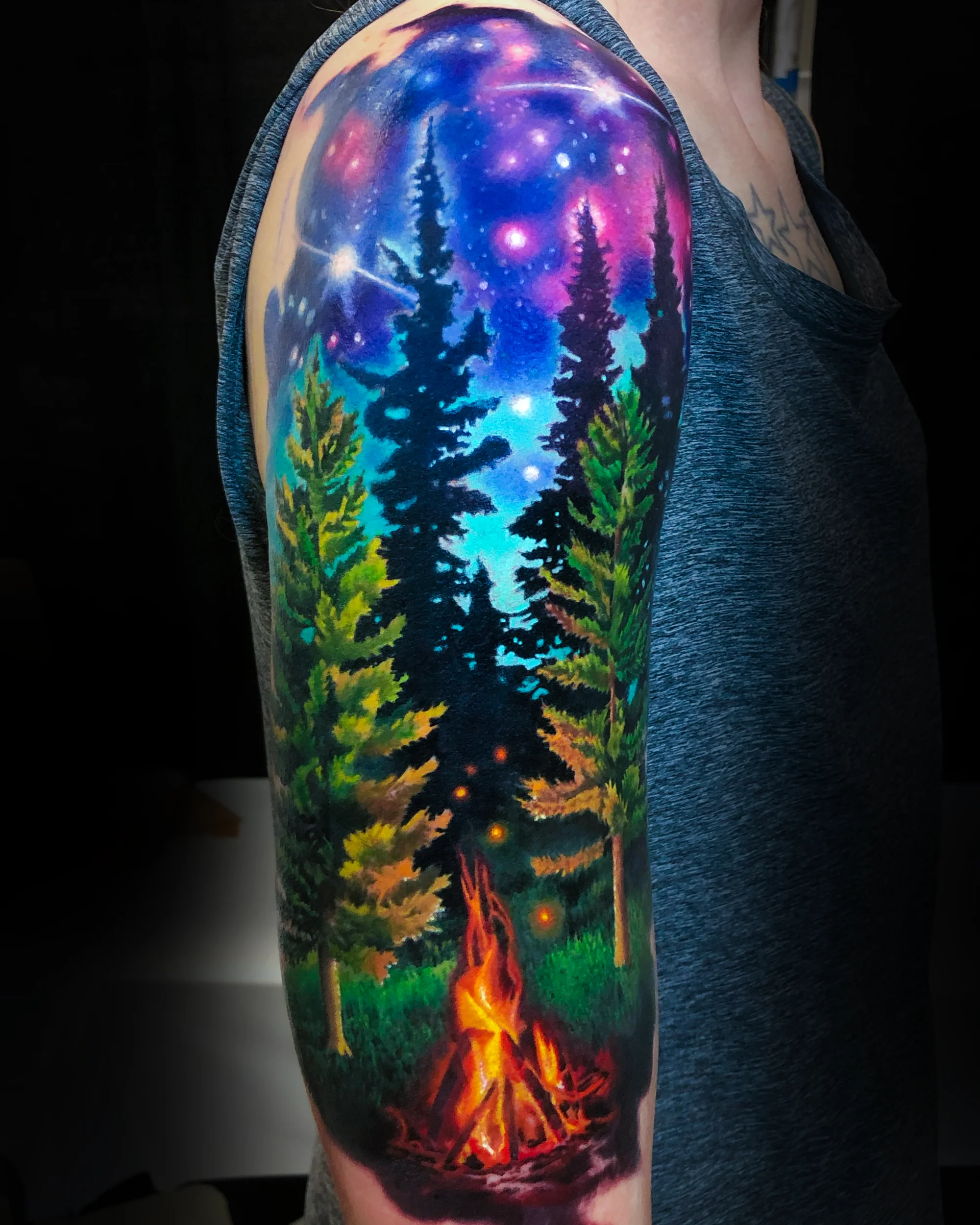
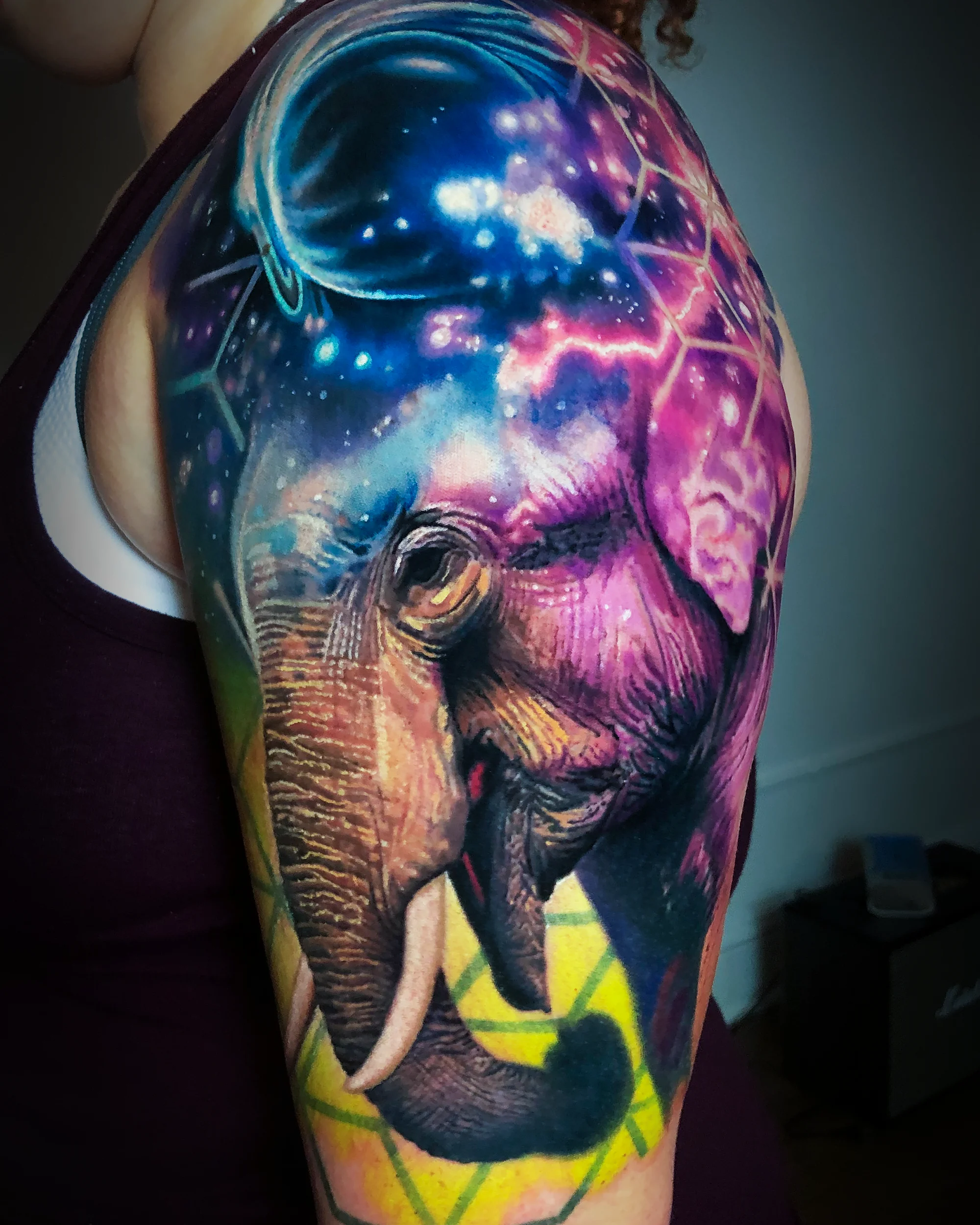
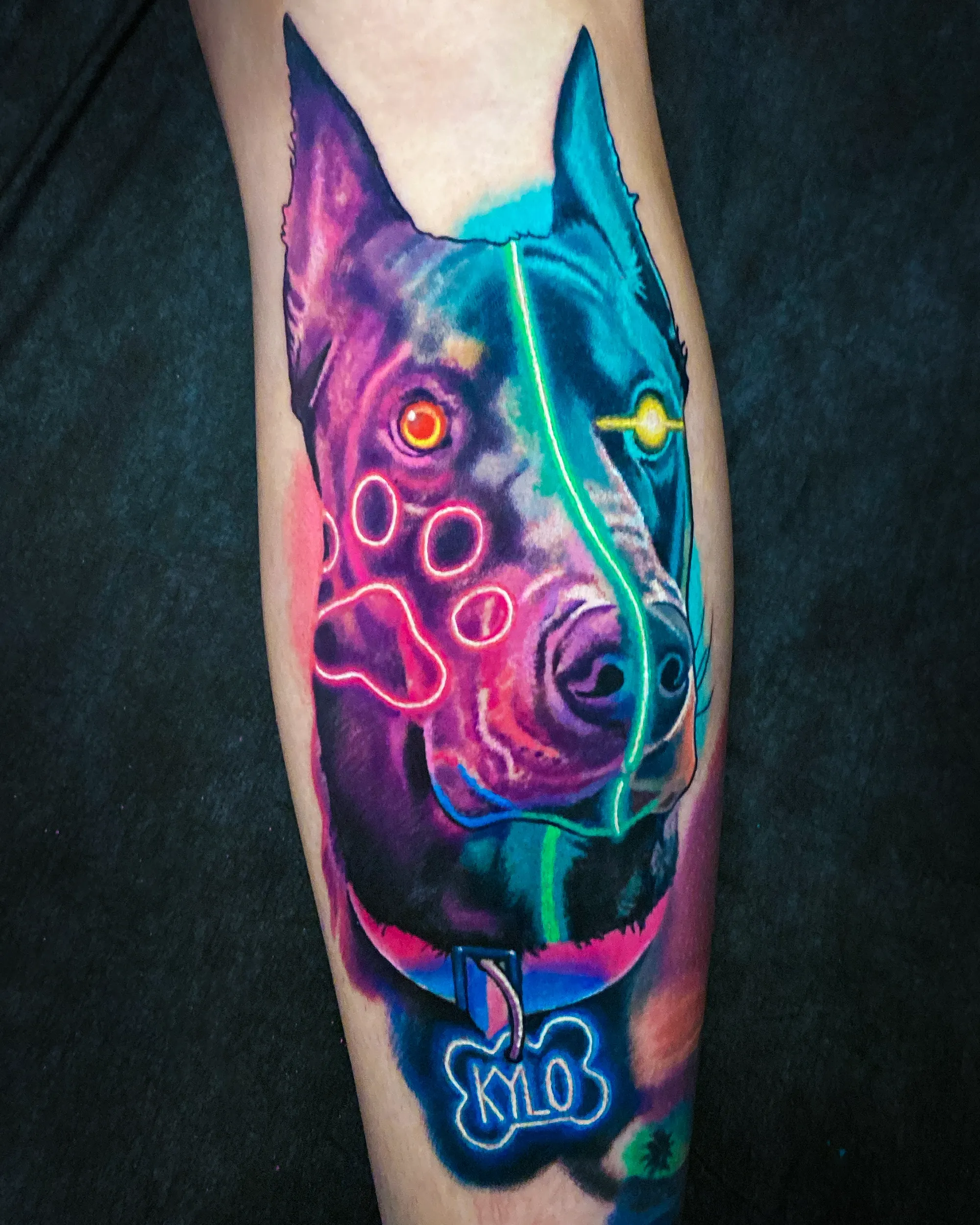
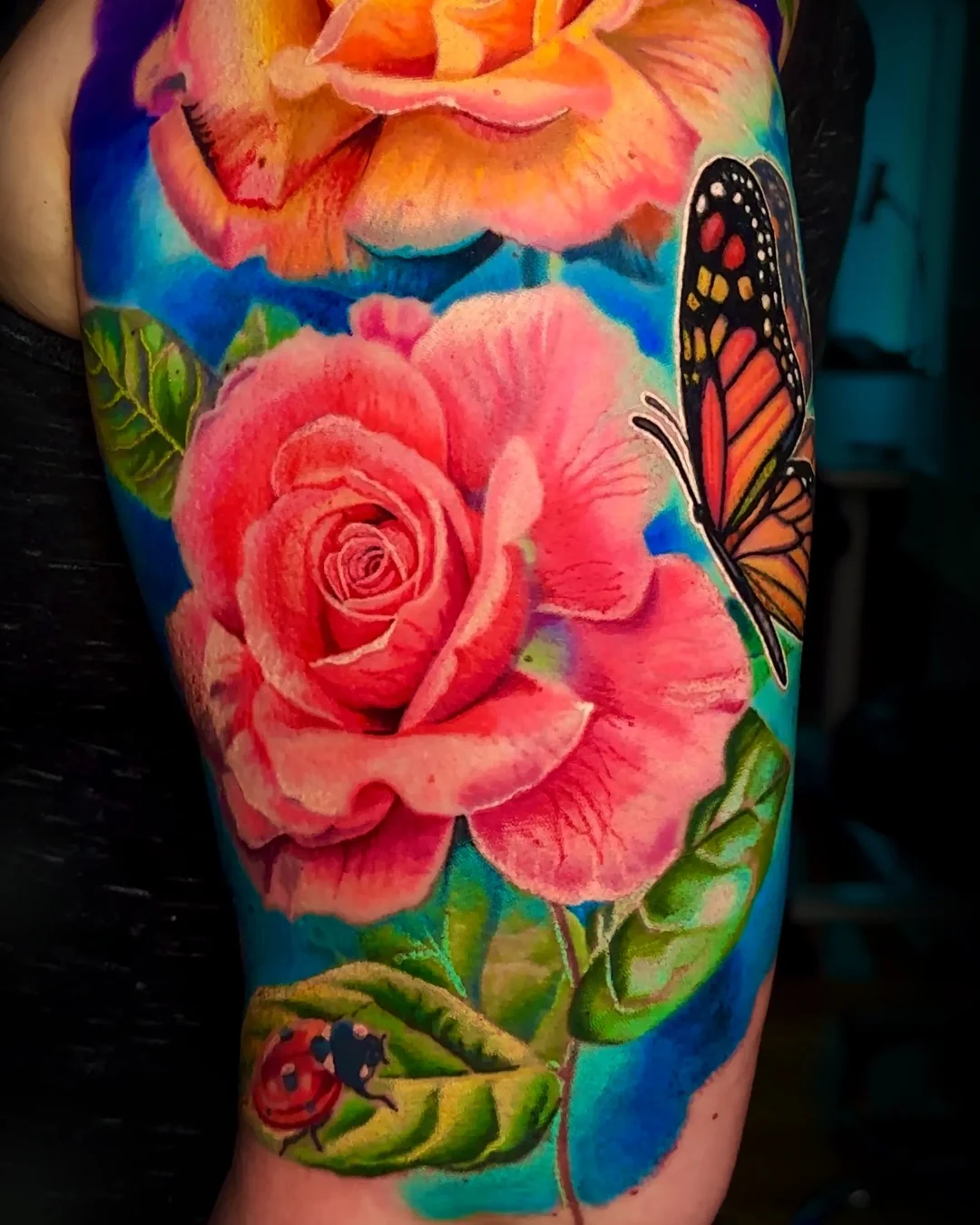
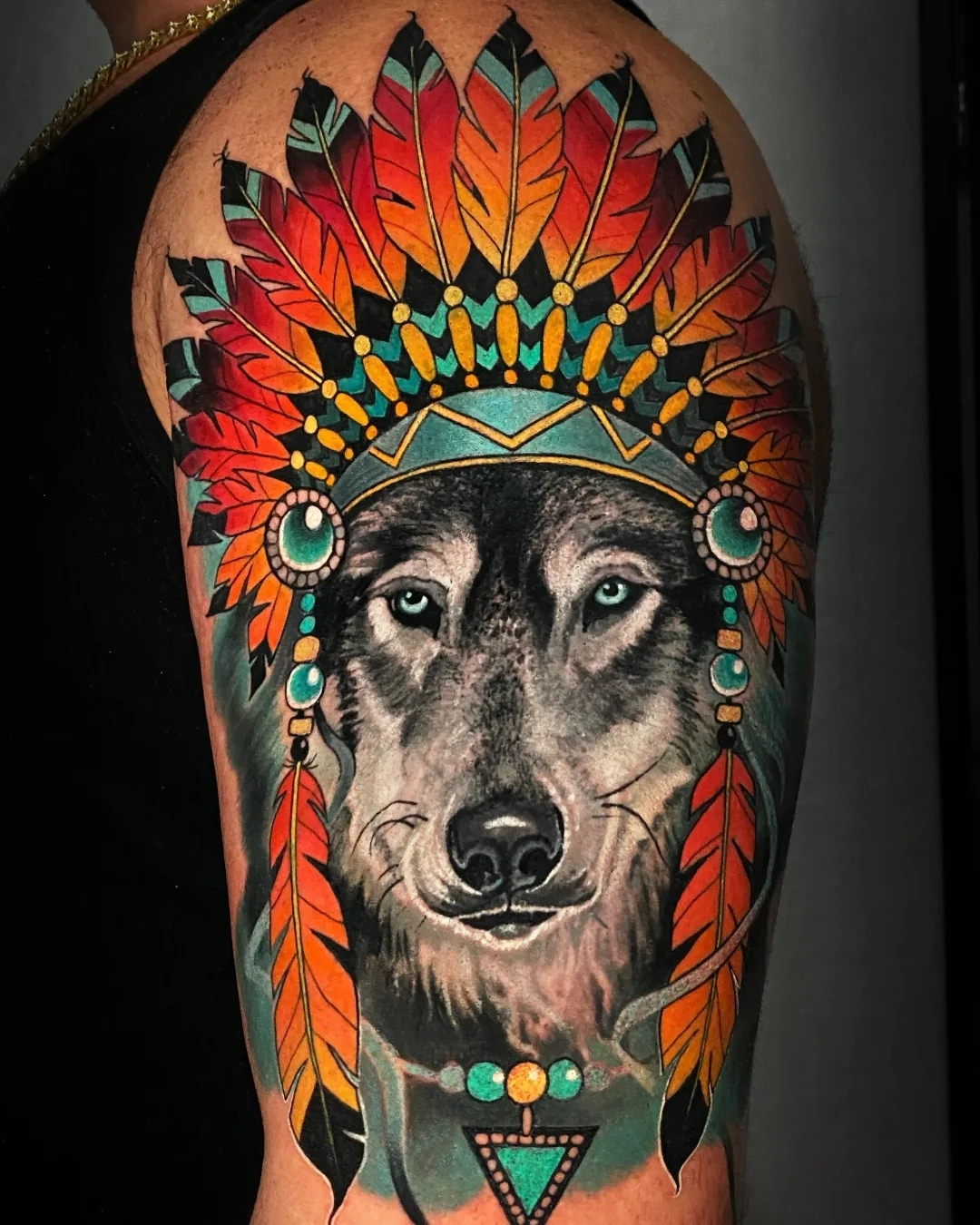
Color realism is a tattoo style that reproduces photographic detail and vivid color on skin. Done at the highest level, it is not just about making something look photographic — it is about understanding how color behaves on skin over time. How saturation holds. How contrast ages. How placement affects readability five and ten years later.
Bobby Cupparo's color realism work is characterized by high saturation, layered color transitions, body-aware placement, and designs built for long-term visual strength. Every piece is built with that understanding as the foundation.
What Makes This Work Distinct
Body-Aware Design
Every piece is built specifically for its placement — not copied, not forced, not generic.
Layered Transitions
Color built in layers for depth, movement, and visual complexity that reads well from any distance.
Intentional Color Choices
Saturation, contrast, and palette selected to hold up over time — not just to photograph well.
Otherworldly Edge
A surreal quality that gives each piece more visual weight and emotional presence.
"I was nervous about my first tattoo. The process made every decision feel clear."
Color Realism FAQ
Color realism done correctly — with proper saturation, clean contrast, and smart placement — holds up significantly better than poorly executed color work. Placement, aftercare, and sun protection are all factors.
All tattoos change over time. Vivid color work that is properly executed and cared for retains its strength much longer than color work done with insufficient saturation or poor technique.
Fleshy, flat areas tend to hold color the longest — upper arm, thigh, back, calf. High-friction areas like hands, fingers, and feet fade faster regardless of style. Placement is always discussed as part of the design process.